

Oregon car accident lawyers who already know the insurance playbook.
Before we represented injured drivers, several of our attorneys spent years adjusting and defending these exact claims. We know what the adjuster is doing on the other end of the line, because we used to do it.
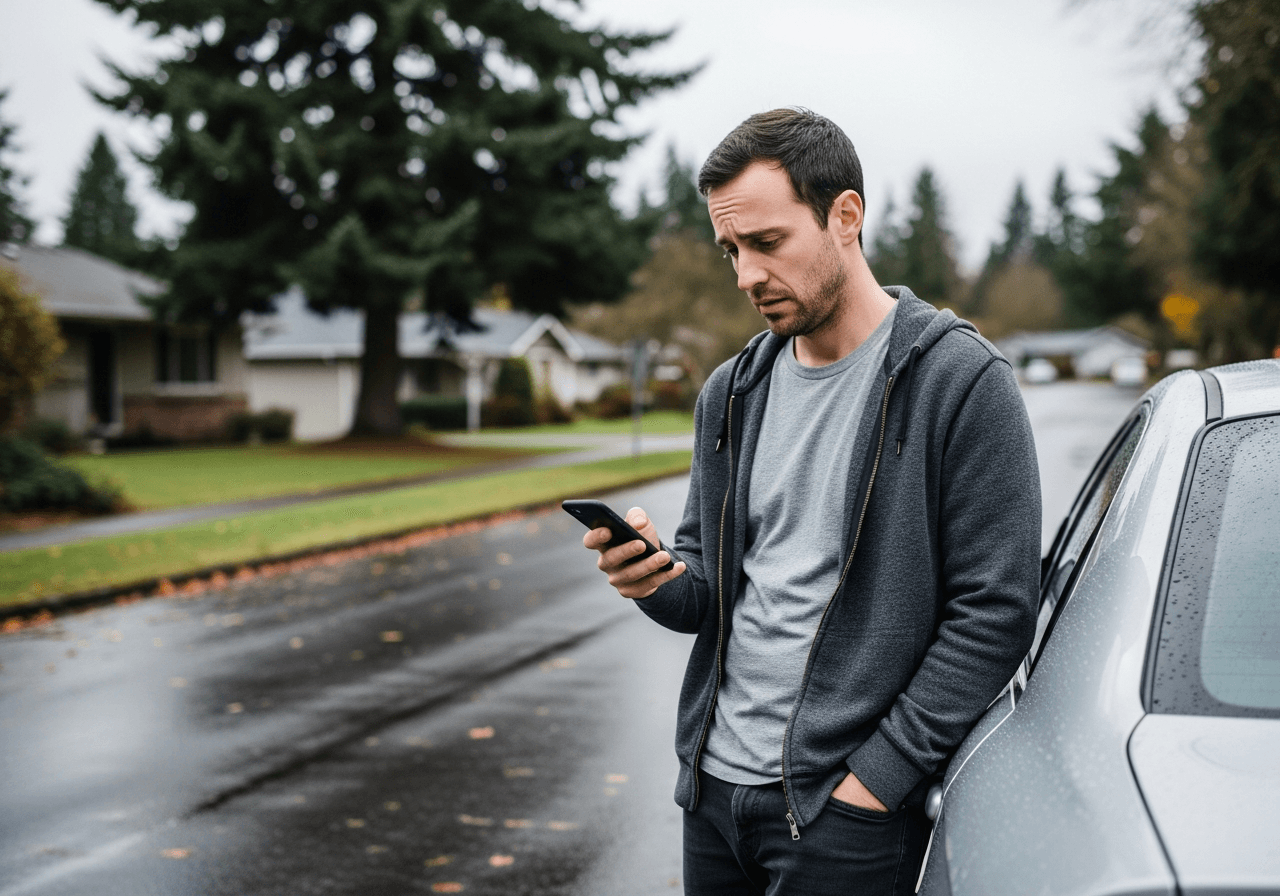
The first call after your crash went to their team, not yours.
The day you reported the accident, the insurance company opened a file and assigned an adjuster. That adjuster's job is not to pay you fairly. It is to close your file for as little as possible, as quickly as possible, before you understand what your case is worth.
Some of them will call within 48 hours asking for a recorded statement. The questions are written so the answers limit what you can recover later. Some will show up with a check and a release form before you know the extent of your injuries. Once you sign, the case is over.
This is not speculation. It is how the system is built to work. We know because several of our attorneys spent a combined 70 plus years on their side of the table before crossing over.
What to do next.
Get medical care and keep every record.
See a doctor even if you feel fine. Adjusters use any gap in treatment to argue you were not really hurt. Your records are the backbone of your claim.
Do not give a recorded statement.
You are not required to give the other driver's insurer a recorded statement. If you must speak with your own insurer, do it from our office, with us beside you.
Save your insurance and PIP information.
Oregon requires Personal Injury Protection on auto policies. It pays early medical bills regardless of fault. We make sure it is used correctly and not held against you later.
Call before you sign anything.
A first consultation is free. Once you have signed a release, your options narrow. Talk to us first.
We evaluated claims like yours for the other side.
Most plaintiff's lawyers learn how insurers think by getting it wrong a few times. Our attorneys learned it by being the people on the other end of those calls for over a decade. We know which carriers settle when pushed and which will not pay a dollar without a trial date.
That experience changes how a case is handled from day one. We know which arguments land at a claims review and which get filed and ignored. We know the difference between a case undervalued because the adjuster is overworked and one undervalued because the company has decided to test the lawyer on the other side.
Partner Paul Vames spent thirteen years defending insurers in Nevada and Oregon before switching sides. He knows the claims manuals, the audit cycles, and exactly how these cases are decided.
Meet Paul Vames →Wrongful death · Washington County
A widow was told within 48 hours that her husband was at fault. We found two witnesses the adjuster had never contacted. The carrier settled for $1.4 million before any lawsuit was filed.
Common questions.
How long do I have to file a car accident claim in Oregon?
Oregon's personal injury statute of limitations is generally two years from the date of injury. Waiting can eliminate your right to compensation entirely, so it is worth talking to a lawyer early.
Should I talk to the other driver's insurance company?
You are not required to give their insurer a recorded statement, and doing so usually helps them more than you. Let us handle that contact so nothing you say is used to reduce your claim.
What if I was partly at fault?
Oregon uses modified comparative negligence. You can still recover as long as you were not more than 50 percent at fault, though your recovery is reduced by your share. Adjusters often overstate your fault. We push back with evidence.
What does a car accident lawyer cost?
Nothing up front. We work on contingency, which means no fee unless we win your case. The first consultation is free.
Talk to a lawyer who knows the other side.
Free consultation. No fee unless we win. We tell you exactly where you stand.